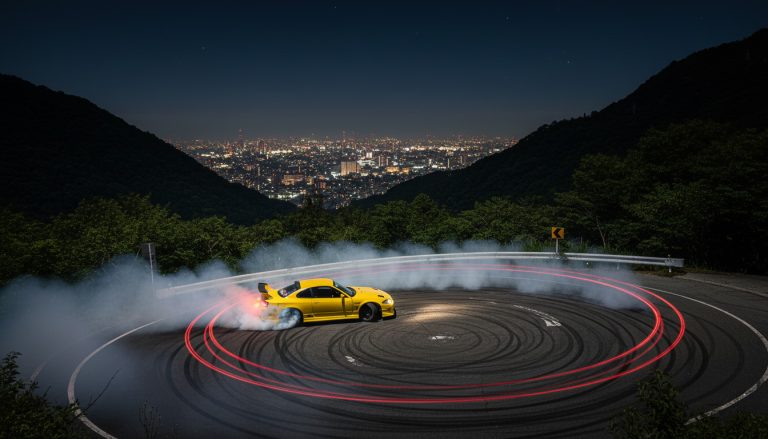
You know that smell? That perfect, sharp scent of burnt rubber. The sound of tires screaming for their lives. The way a car can hold an impossible angle, just hanging there mid-corner- it’s automotive ballet. For decades, Japan has been the promised land for drifting, this mythical place where drivers pushed cars to their absolute limit on sketchy mountain roads or at secret city meets. But what’s the real deal today? Is Japan still the place to get sideways? Let’s get into it.
The Enduring Allure of Drifting: Is Japan Still the Mecca?
Oh, absolutely. It’s still the mecca. Don’t even question it. This isn’t some fleeting trend; this stuff is woven into the country’s automotive DNA. Drifting as we know it, this beautiful, controlled chaos, was born right there in Japan’s mountains back in the 1970s. A motorcycle racer named Kunimitsu Takahashi, who switched to cars, basically invented the technique. He used intentional oversteer to carry more speed through corners. People saw it and their minds were just blown. A whole movement started.
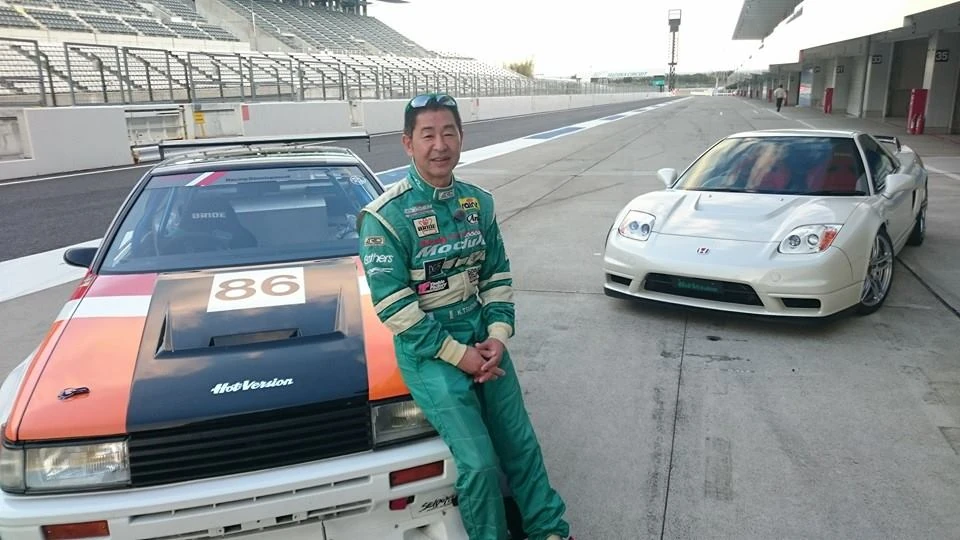
Then the “Drift King” himself, Keiichi Tsuchiya, showed up. He took what Takahashi was doing on the touge- those winding mountain passes- and shoved it straight into the mainstream. Tsuchiya’s driving was this perfect storm of raw skill and pure showmanship, and he built a massive following. By the time the D1 Grand Prix, the world’s first pro drifting series, kicked off, Japan’s spot as the global epicenter was set in stone. It pulls in huge crowds to watch driving that will honestly scramble your brain. The techniques, the styles, the entire philosophy of drifting that started there infected the rest of the world. So yeah, if you’re looking for the soul of drifting, Japan is still where you find it. Period.
The Rise of the Icons: Legendary Japanese Drift Cars
You can’t talk about Japanese drifting without talking about the cars. The absolute legends. These weren’t just metal boxes on wheels; they were canvases, symbols of a whole subculture.
One of the most holy is the Toyota AE86 Sprinter Trueno/Corolla Levin, the “Hachiroku.” The eight-six. Produced from ’83 to ’87, this little rear-wheel-drive coupe was light, had perfect weight distribution, and a rev-happy 1.6-liter 4A-GE engine that was a breeze to modify. The Drift King himself sang its praises as the ultimate car to learn in, which basically made it immortal.
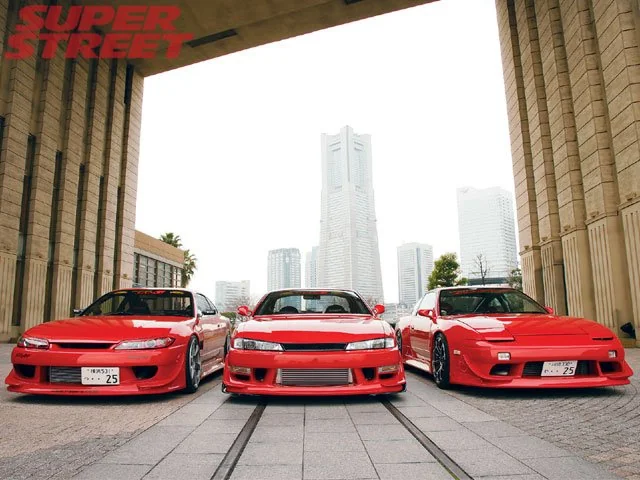
Then you have Nissan’s Silvia series (S13, S14, S15). The S-chassis is just…drifting royalty. The 180SX and 240SX are part of that legendary family. They had a near-perfect 50/50 weight balance, a lightweight body, and the bulletproof SR20DET engine (or the CA18DET in older ones) that just begged for more boost. The S13, S14, and especially the aggressive-looking S15 Silvia have been kings of the drift scene for decades.
The Mazda RX-7, especially the FC and FD generations, carved out its own space with that weird, wonderful rotary engine. The tiny engine meant they could achieve incredible balance and a super low center of gravity. The RX-7 was just ridiculously nimble and balanced for controlled slides. The FC3S was the raw, accessible one, while the FD3S was the refined, powerful, aerodynamic beauty you saw in “Tokyo Drift.”
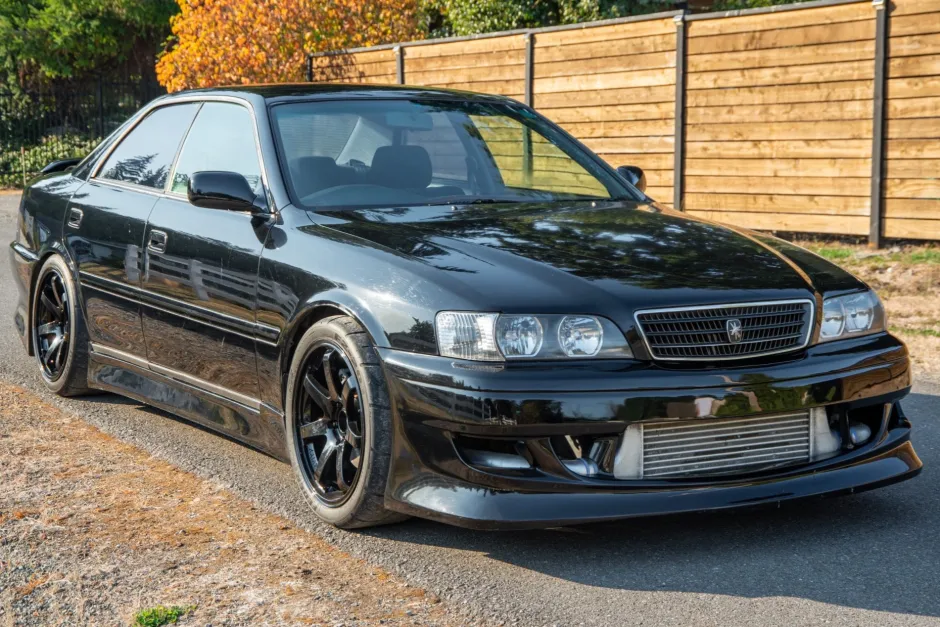
And you can’t forget the big sedans, the four-door sleepers like the Toyota Chaser JZX100. It might look like a dad-mobile, but underneath it was a monster. A front-engine, rear-drive layout with a long wheelbase for predictable, smoky slides, and the legendary 1JZ-GTE or 2JZ-GTE inline-six. You could have a comfortable daily driver and a serious drift weapon all in one. These cars didn’t just shape how drifting looked; they influenced how it was done.
Beyond the Silver Screen: How Common is Drifting in Japan Today?
That romantic image from the movies- cars sliding around every corner in a cloud of smoke- it’s a fantasy, isn’t it? The truth is, the golden era of illegal street drifting from the 90s, the one we all saw on grainy VHS tapes, is dead. The police cracked down. Hard. No surprise. Society changed, too. Young people in Japan have different economic pressures, and building a proper drift car- a classic Silvia S13 or a Toyota AE86- costs a small fortune now.
But don’t get it twisted. Drifting is still very much alive, it just moved. It’s mostly in organized, legal places now. Professional motorsport, like the D1 Grand Prix, is a huge part of Japanese car culture. And below the pros, there’s a ridiculously healthy grassroots scene at circuits all over the country. Places like Ebisu Circuit in Fukushima, the so-called “Drift Paradise,” host these insane “Drift Matsuri” (Drift Festivals). They’re multi-day, non-stop free-for-alls. You pay a fee and you can drift on multiple tracks until your car gives up. It’s wild. Other tracks- Fuji Speedway, Mobara, Tsukuba- have regular drift days. You won’t see cars sliding on every street, but the passion for it is still there, burning as bright as ever. It just found a new home on the track.

Initial D: How an Anime Ignited a Global Obsession
Besides the real-world heroes, one cultural force did more to launch drifting into a global obsession than anything else: Initial D. It started as a manga in 1995 and then became an anime. It was about Takumi Fujiwara, a quiet kid who delivered tofu for his dad and, in the process, became a driving god on the winding mountain roads (touge) of Mount Akina.
What made Initial D hit so hard was how real it felt. The portrayal of touge battles and drift techniques, the relatable characters, the pure love for cars. It was magic. It showed these intense battles between skilled drivers in iconic Japanese cars, like Takumi’s own Toyota AE86 Sprinter Trueno. The show got deep into the details- car setup, tire wear, the layout of the mountain passes. It was as much an education as it was entertainment.
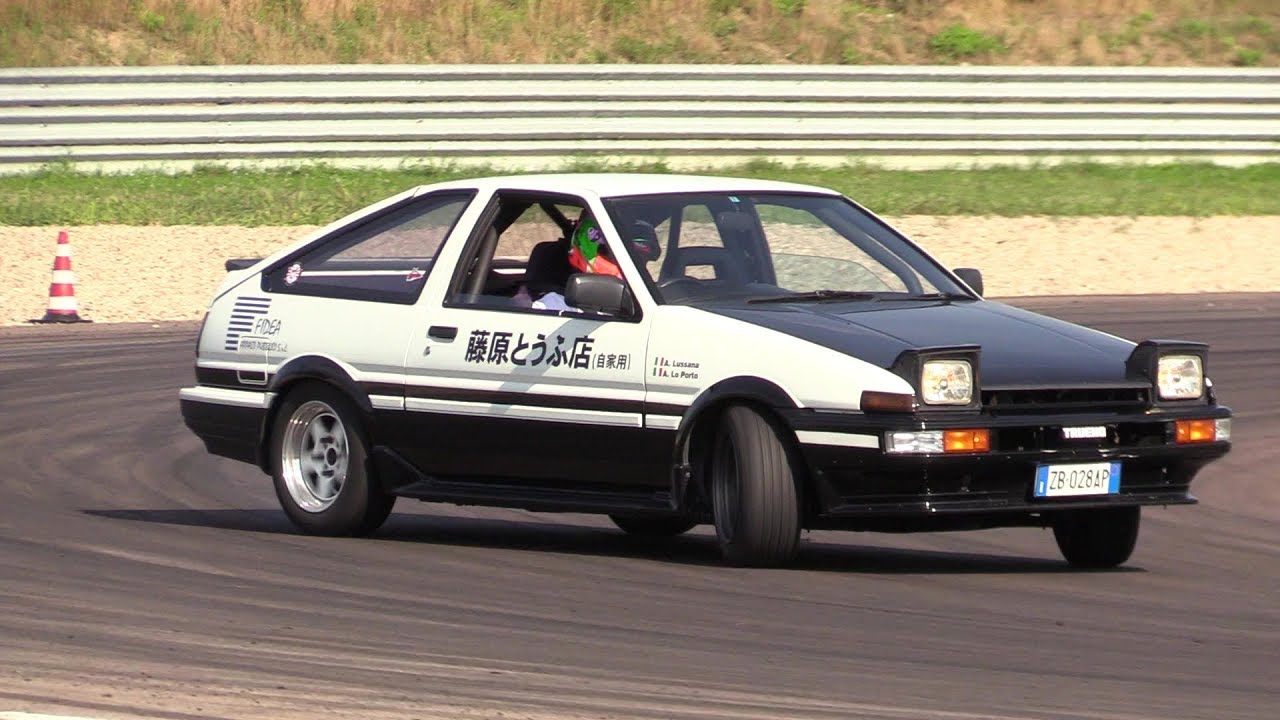
Initial D was the Rosetta Stone for Japanese car culture. It gave the whole world the vocabulary, the rivalries, and the pure excitement of it all. It didn’t just make drifting popular; it made specific JDM cars famous and turned the idea of touge driving into a legend. Its impact was just…massive. It made a hero out of the AE86 and dragged the underground world of Japanese street racing into the light for everyone to see.
Tokyo’s Drifting Pulse: Is the Scene Still Alive and Kicking?
Tokyo, the electric heart of Japan, absolutely has a car scene. But seeing actual street drifting in the city? Incredibly rare. And for good reason- it’s super illegal. Police are not messing around, and there are cameras everywhere. The dream of sliding through Shibuya or Shinjuku is just that, a dream.
Tokyo’s car pulse beats in other ways, though. You can definitely catch pro drift events like the D1 Grand Prix, which sometimes happens in Odaiba, that crazy man-made island in Tokyo Bay. Just imagine it, top-tier drivers battling it out with the Tokyo skyline lighting up the background. Pretty epic.
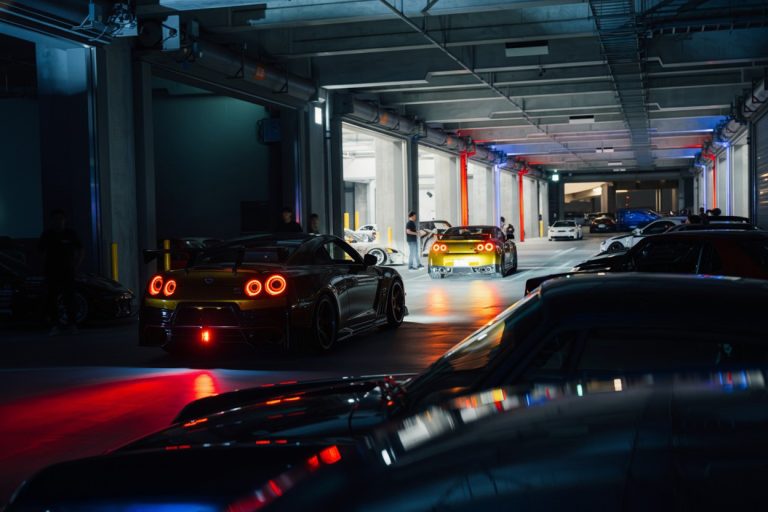
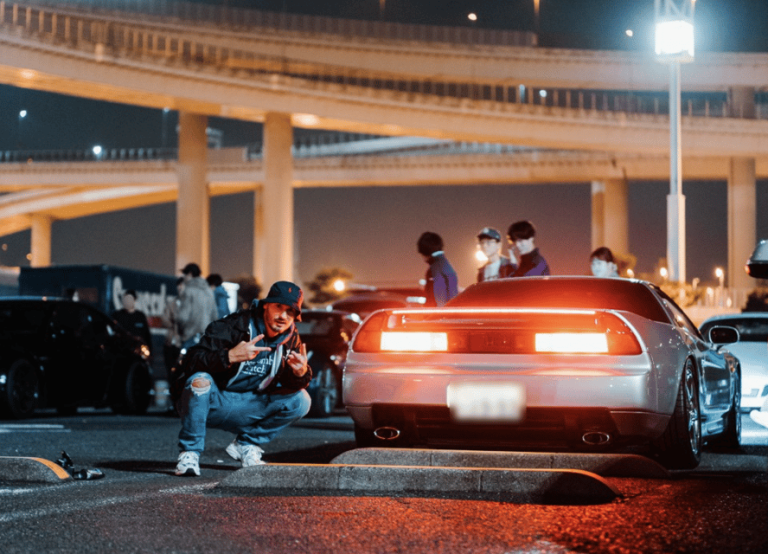
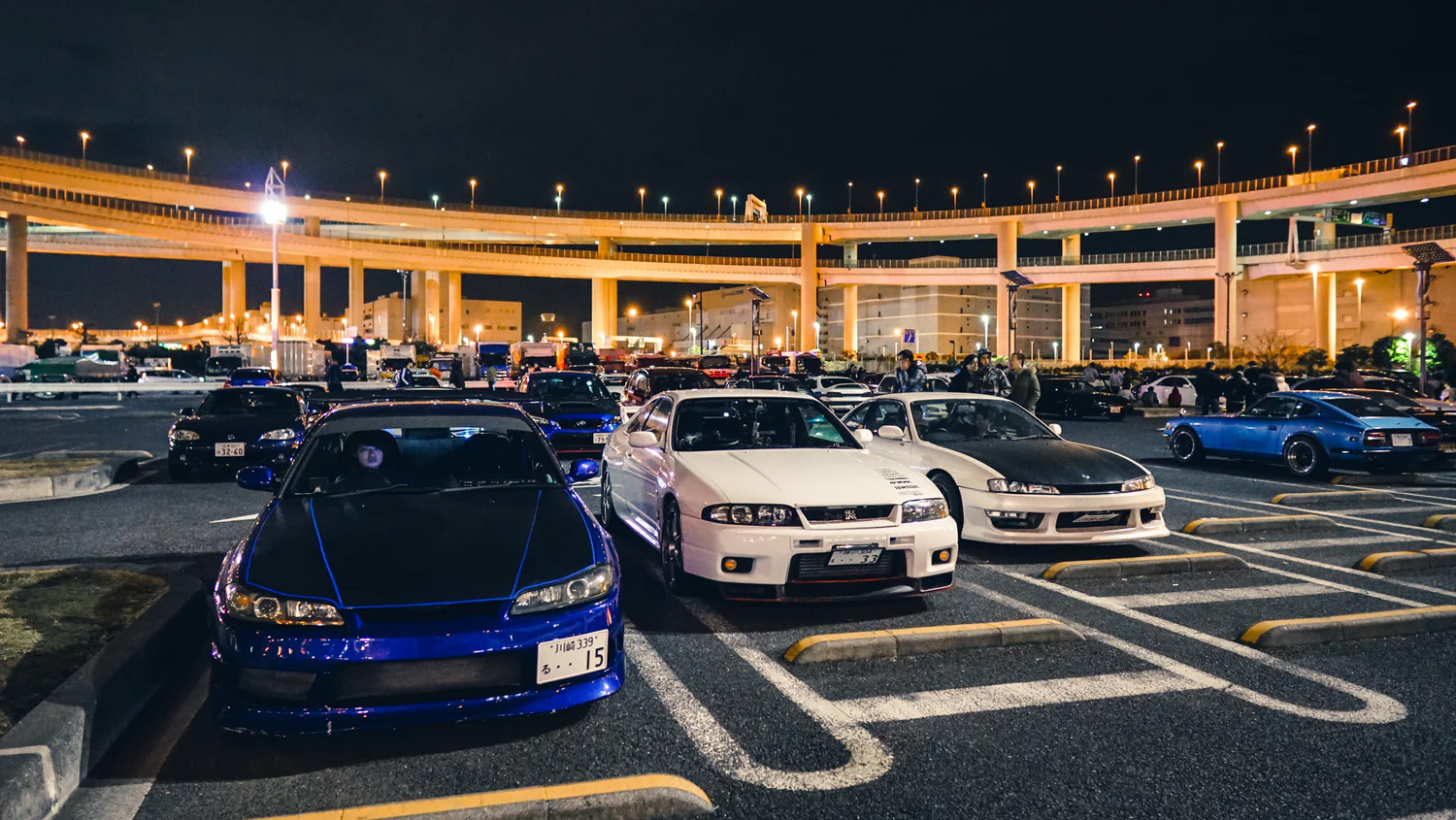
For a taste of the raw, unofficial car culture, you have to go to places like Daikoku Futo Parking Area in Yokohama, right outside Tokyo. On a Friday or Saturday night, this giant parking lot becomes a living, breathing car show unlike anything else on Earth. You’ll see it all: perfect drift cars, GT-Rs tuned to within an inch of their lives, wild Lambos, bizarre bosozoku builds. It’s a gathering of the faithful. Tatsumi Parking Area is another spot, smaller but with insane city views. You probably won’t see any drifting in these lots- the police are always watching- but this is where the soul of the culture hangs out.
And if you’re up for a drive, a couple of hours out of Tokyo are the circuits. Ebisu, Mobara, and Tsukuba. Those are the places you can see- or even do- some actual, legal, tire-shredding drifting.
Diving Deeper into the Grassroots: Drift Matsuri and Local Circuits
Pro drifting gets the headlines, but the real heart of Japan’s drift culture beats in the grassroots events at local tracks. “Drift Matsuri” (Drift Festivals) are the peak of this scene. Legendary spots like Ebisu Circuit in Fukushima host these things a few times a year, turning the entire complex into a paradise for drifters. During a Matsuri, several tracks are open at once for non-stop action. You pay one fee and can slide your car almost constantly, burning through tires and pushing your limits in a super relaxed, almost party-like atmosphere. It’s a sensory assault of screaming engines and smoke, a world away from the strict rules of pro competitions.
Beyond Ebisu, countless smaller circuits cater to the grassroots drifter. Tracks like Mobara Twin Circuit in Chiba, Nikko Circuit in Tochigi, Honjo Circuit in Saitama, and Tsukuba Circuit in Ibaraki all have regular practice days and amateur comps. These events are open to everyone, from first-timers trying not to spin out to seasoned guys practicing their tandem runs. The entry fees are usually pretty affordable, and you’ll see a wild mix of cars, from pristine classics to zip-tied missiles. For anyone visiting from overseas, going to a Matsuri or a local track day is the best way to dive headfirst into the raw, authentic passion of Japanese drifting.
The Law and the Lore: Is Tokyo Drift Legal in Japan?
Let’s just be brutally honest. The kind of street drifting you saw in “The Fast and the Furious: Tokyo Drift” is, without a single doubt, spectacularly illegal in Japan. We’re talking about hashiriya (street racers) tearing up public roads, whether it’s mountain passes or industrial ports- it’s a huge, massive no.
Japanese police have come down on illegal street racing with the force of a hammer. Getting caught means severe consequences, not just some ticket. You’re looking at insane fines, losing your driver’s license- maybe for good- and possibly even jail time. They can even impound your car and crush it. Japan is very serious about cracking down on reckless driving. Public roads are for getting from A to B, not for being a hero.
But- and this is the crucial part- that doesn’t mean all drifting is illegal. That’s the key distinction. Drifting as a professional motorsport, happening on designated racetracks under strict safety rules, is a massive and celebrated part of Japanese car culture. Events like the D1 Grand Prix are totally legal, well-organized, and incredibly popular. So while “Tokyo Drift” painted this romantic, illegal picture of the street scene, the legal motorsport side of drifting is alive and well.
The Evolution of Professional Drifting: D1GP and Formula Drift Japan
Professional drifting in Japan has come a long, long way from its underground roots. It’s a highly organized, globally recognized motorsport now. The D1 Grand Prix (D1GP), started by legends Daijiro Inada and Keiichi Tsuchiya, is the premier pro drifting series in the world. It kicked off in Japan in 2000 and totally changed the game by creating clear judging rules, safety standards, and a competitive format that took drifting from a street spectacle to a legitimate sport.
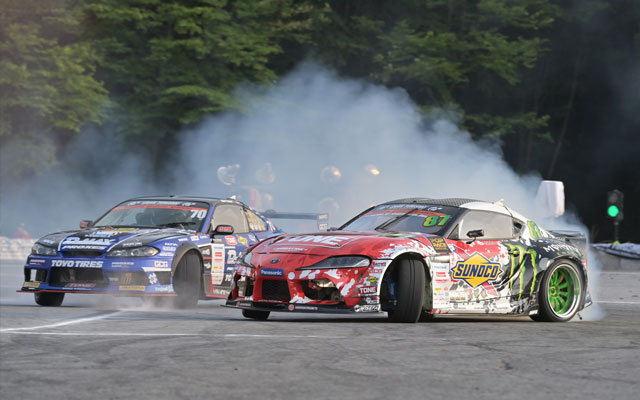
More recently, Formula Drift Japan (FD Japan) has become a major player. It’s an offshoot of the huge American Formula Drift series and brings a slightly different competitive style, often rewarding more aggressive, high-angle entries. Its existence just reinforces Japan’s position as a major hub for pro drifting. Both D1GP and FD Japan feature insane talent and mind-blowing cars, constantly pushing the limits of the sport and keeping Japan at the very forefront of professional drifting.
The Global Stage: Japan’s Enduring Influence on International Drifting
Japan’s role in drifting goes way beyond its own borders; it’s the wellspring from which the entire global scene exploded. The techniques first used on Japanese touge roads became the universal language of drifting. Early Japanese drift videos, magazines, and the insane cultural impact of stuff like Initial D beamed this unique motorsport to fanatics all over the planet.
Today, pretty much every major international drift series, from Formula Drift in the States to Drift Masters in Europe, has Japan’s fingerprints all over it. The iconic Japanese drift cars- the Silvias, AE86s, RX-7s, Chasers- are still worshiped and used in competitions everywhere. Japanese tuning philosophies, parts makers, and driving styles are baked into the global drift community. Drifters make pilgrimages to circuits like Ebisu as if it were a holy land. This constant exchange ensures Japan’s status as the spiritual and technical home of drifting continues to shape the sport everywhere.
Planning Your Japanese Automotive Adventure: Is $5000 Enough for a Week?
Okay, so you’re dreaming of a week-long car pilgrimage to Japan with a $5000 budget. Is that enough? Honestly, it completely depends on what you want to do. Japan isn’t cheap, but a dedicated car nut can absolutely make it work if they’re smart.
First off, flights are a huge chunk, so let’s assume those are paid for or part of that $5000. A place to stay? You can find decent hotels or guesthouses for around ¥7,000-¥15,000 ($45-$100 USD) a night, roughly.
Now, the fun stuff- the cars.
- Spectating: Going to a pro drift event like D1 might run you ¥3,000-¥8,000 ($20-$55 USD) for a ticket. Visiting Daikoku PA is free, you just gotta get there.
- Drifting Yourself (Legally): This is where your wallet starts to scream. Renting a legit drift car for a full day at a circuit like Ebisu can cost anywhere from ¥150,000 to ¥280,000 ($975-$1800 USD), maybe even more. That usually gets you the car, gas, and one set of tires. You will destroy those tires. Fast. Extra pairs are about ¥20,000 ($130 USD). Track entry fees are on top of that, maybe ¥10,000 ($65 USD) for a day. And then there’s the massive refundable damage deposit, often ¥200,000-¥250,000 ($1300-$1600 USD), that you just pray you get back in full.
- Drift Schools/Experiences: A half-day private lesson could be ¥300,000 ($1950 USD), or cheaper if you’re in a group. These usually include the car, instructor, tires, and track fees.
Food and transport will chip away at your budget. Public transit is great, but it doesn’t always go to racetracks. Food can be cheap with convenience store meals, but a decent dinner can easily be ¥5,000 ($30 USD).
So, a week with $5000? If you actually want to get behind the wheel and drift, it’s going to be tight. One or two days of drifting, plus travel, food, and a place to sleep could vaporize that budget. If you’re more about soaking up the culture, hitting car meets, and watching events, then $5000 for a week is definitely doable, maybe even comfortable. You just have to pick your battles.
“The Fast and the Furious: Tokyo Drift”: Is It Still Worth Watching?
Ah, “Tokyo Drift.” The weird cousin of the Fast & Furious franchise that everyone hated at first, and now has a cult following. When it dropped, critics savaged it. It was the lowest-grossing film in the series. No Vin Diesel, no Paul Walker… people just kind of wrote it off.
But fast forward a decade. Opinions have completely flipped. Now, a lot of fans and critics think it’s one of the best in the whole franchise. What changed? I think as the F&F movies got crazier and flew into space, the relative simplicity and focus on actual car culture in “Tokyo Drift” started to look really damn good.
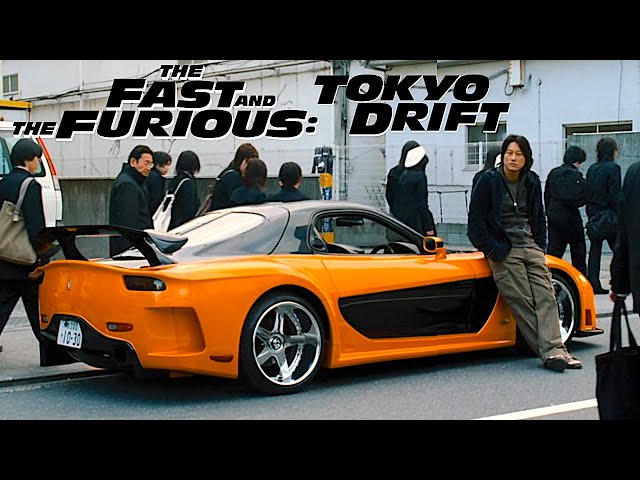
It’s the purest racing film of the bunch. Tokyo itself feels like a real character. The drifting scenes are just undeniably cool and feel a bit more grounded than, you know, a car swinging between canyons. Plus, it introduced us to Han Lue (Sung Kang), a character so beloved that fans literally started a movement (“Justice for Han”!) to bring him back.
Honestly, if you can shut off the logic center of your brain, it’s a great time. It’s loud, exciting, and burned into our collective memory. So yeah, “The Fast and the Furious: Tokyo Drift” is absolutely still worth watching. It’s a key part of the whole drift story and a fun movie.
Experiencing Japan’s Automotive Subculture Responsibly
Alright, you’re hyped. You’re ready to dive into Japan’s insane car scene. Fantastic! But just remember- the key is to be responsible, legal, and respectful. Leave the illegal street stuff to the movies. It’s dangerous, the penalties are no joke, and you don’t want to be that guy.
Here’s how to do it right:
- Hit the Tracks: This is the most legitimate way to get your fix. Places like Ebisu Circuit are legendary and offer drift schools and rentals for all skill levels. Take a lesson, ride shotgun in a “drift taxi” with a pro, or even rent a car and try it yourself. Other circuits like Mobara, Honjo, or Tsukuba also host drift days.
- Attend Professional Events: Look up the schedules for the D1 Grand Prix or Formula Drift Japan. See the best drivers in the world do their thing legally and safely.
- Visit Car Meets: Daikoku Futo Parking Area in Yokohama is the spot for unofficial car shows on weekend nights. It’s a spectacle. Go, look, take pictures, but be respectful. The police are always there to keep things from getting out of hand.
- Book a Tour: There are tour companies that specialize in Japanese car culture. They can take you to workshops, meets, and famous driving roads (for a scenic drive, not a race!). Some even do “Initial D” themed tours, but again, obey the local laws.
- Respect Local Laws & Culture: This is the big one. Japan has strict rules. Drive responsibly. Obey speed limits. You’re a guest. Embrace the awesome community, appreciate the incredible skill and engineering, but never, ever endanger yourself or anyone else on public roads.
Japan’s drifting culture is truly special. It’s a beautiful, intense mix of skill, passion, and art. Go experience it, soak it all in- just be smart, be legal, and have an unforgettable time.