The screech of tires, the smell of burnt rubber, the impossibly angled car sliding through a corner with precision… for a whole generation, The Fast and the Furious: Tokyo Drift was the definition of Japan’s car culture. It painted this insane picture of neon-lit Tokyo nights, packed with high-stakes street races and honor and all that.
But how much of that Hollywood fantasy is actually real? Can you just show up and go drifting in Tokyo?
The answer is a complicated, messy, and kind of thrilling “yes, but not like you see in the movies.” Not even close.
So, Can Tourists Actually Drift in Japan?
Absolutely. But let’s be clear: you won’t be doing it down the iconic Shibuya Crossing while dodging pedestrians. For tourists wanting to get sideways, the experience is both surprisingly accessible and incredibly safe—a million miles from the underground world depicted on screen.
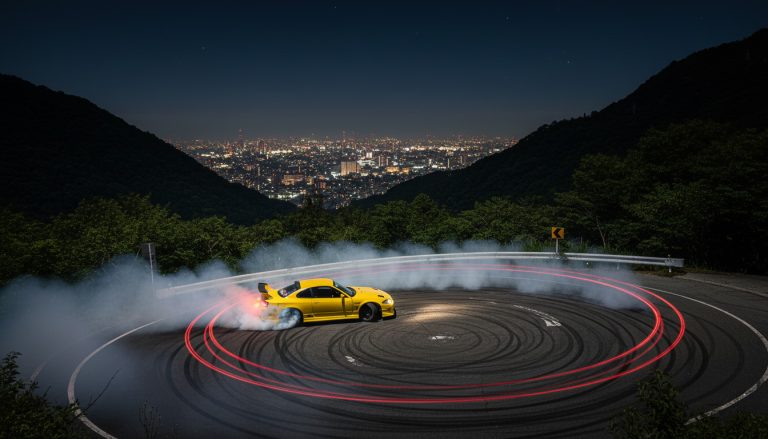
Japan has a whole cottage industry built around this. Several companies cater specifically to foreign enthusiasts, offering everything from a wild ride-along with a pro driver to full-blown, hands-on drifting lessons. You can book experiences at legendary tracks like Ebisu Circuit in Fukushima (often called the “drifting paradise”), or other famous spots like Fuji Speedway and Tsukuba Circuit, all reachable from Tokyo. These outfits provide the car, the tires, the track, and an expert instructor. Honestly, even a total beginner can learn the basics of car control in a controlled environment. You don’t even need a driver’s license for some of the passenger ride-alongs.
It’s a pilgrimage for car fans. In the US, you can find great drift schools at tracks like Irwindale in California or Englishtown in New Jersey, but going to Japan is like a baseball fan visiting Fenway Park. You’re doing it at the source, on holy ground, often in the very cars that made the sport famous—a Nissan Silvia or a Toyota Chaser, not a V8-swapped Mustang.
Let’s Get This Straight: Is ‘Tokyo Drift’ Legal?
Here’s the cold, hard truth. The kind of street drifting you see in the movie is completely, spectacularly illegal.
What the film portrays is a romanticized version of hashiriya (street racers) who illegally race on public roads, often on the winding mountain passes known as touge or in the industrial port areas of Yokohama. This was a real scene, but it comes with massive consequences. Japanese police have cracked down hard on illegal street racing. Getting caught means you’re looking at insane fines, losing your license, and maybe even jail time. The penalties are severe, and it’s no joke. The risks are huge, not just legally, but to your personal safety and the safety of others.
This isn’t so different from the US, where “sideshows” or street takeovers in cities like Oakland and Los Angeles are met with a huge police presence, vehicle impoundment, and serious “exhibition of speed” charges. Both countries have zero tolerance for turning public roads into a personal playground.

So, Is All Drifting Illegal in Japan?
No, not at all. And this is the most important distinction. While street drifting is illegal, drifting as a professional motorsport is a massive and celebrated part of Japanese car culture.
Japan is the birthplace of drifting. The whole thing was pioneered by racers like Kunimitsu Takahashi back in the 70s and then blown into the mainstream by the legendary “Drift King,” Keiichi Tsuchiya. They turned a risky cornering technique into a legitimate art form.
Today, Japan hosts world-famous professional drifting competitions like the D1 Grand Prix. It draws huge crowds and showcases a level of driver skill that is just mind-blowing. It’s a real-deal industry with pro teams, big sponsors, and a passionate global fanbase. It’s the same way Formula Drift operates in the United States, just with its own distinct flavor. While Formula D has embraced big-power V8s and a more aggressive, competitive style, D1GP often feels more focused on technical precision and, dare I say, a certain Japanese flair. The culture is less about breaking the law and more about pushing the absolute limits of a car in a competitive setting.
What About the Real ‘Tokyo Drift’ Locations?
This is where Hollywood magic really comes into play. That iconic, multi-level parking garage drift scene? It wasn’t even filmed in Japan. It was shot at the Hawthorne Plaza Shopping Center in Los Angeles. Many of the street scenes were also faked in the US with a ton of clever CGI filling in the Tokyo background.
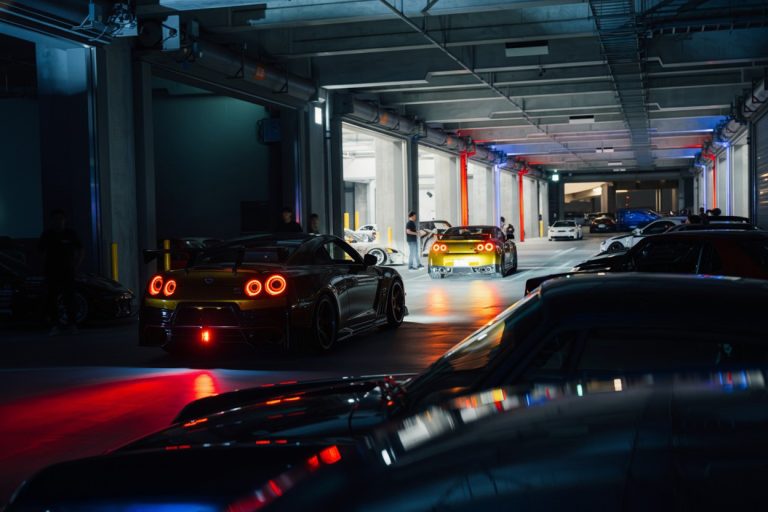
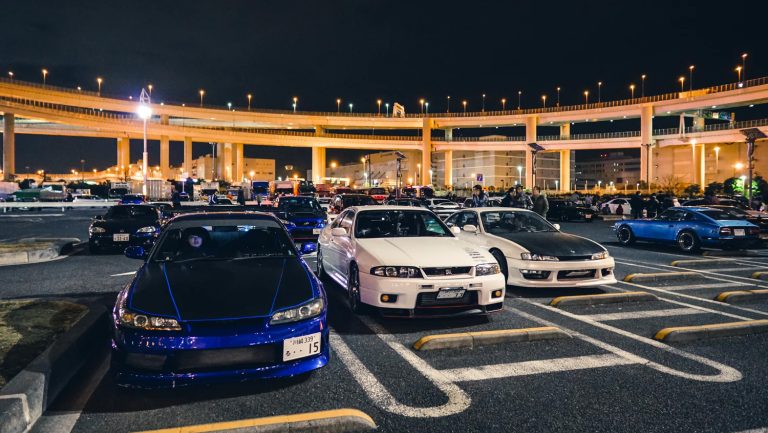
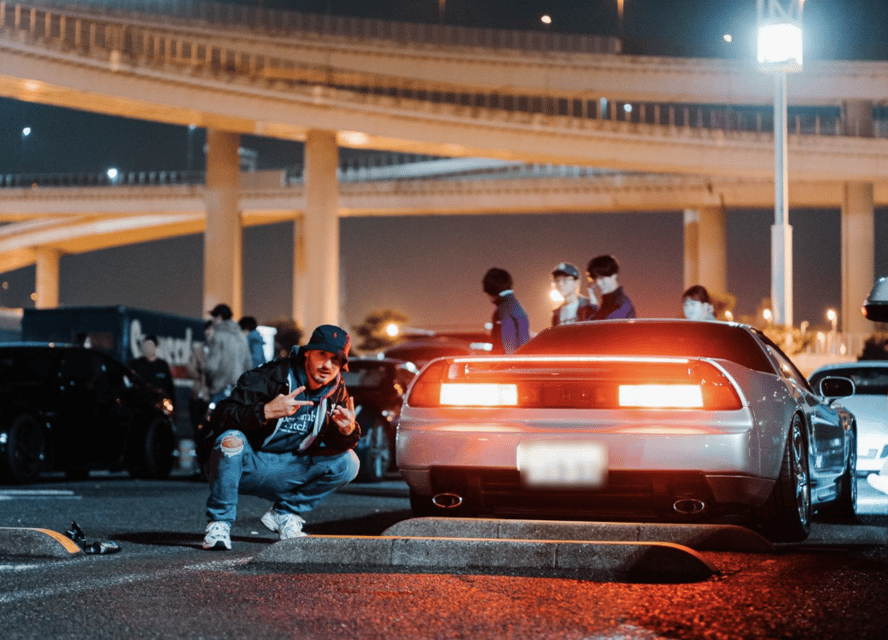
But that doesn’t mean Japan lacks real-life legendary spots. While you can’t drift there, the most famous meeting point for car enthusiasts is the Daikoku Futo Parking Area in Yokohama, near Tokyo. On a weekend night, it’s an unbelievable, unofficial car show. You’ll see everything from pristine drift cars and tuned GT-Rs to wild Lamborghinis and unique bosozoku builds. It’s a place of reverence in the car world. Just be aware that police often shut it down later in the evening if things get too rowdy.
Is Drifting Still a Big Deal in Japan?
Oh yeah, but the current state of the culture has definitely changed. The golden era of illegal street drifting in the ’90s, fueled by car magazines and grainy VHS tapes, is pretty much over. The police crackdown was one thing, but society shifted, too. Young people in Japan face different economic realities, and the cost of building and maintaining a proper drift car—especially the iconic ones like the Silvia S13 or the Toyota AE86—has skyrocketed.
Sound familiar? It’s the same “drift tax” phenomenon seen in the US, where the rising popularity of these formerly cheap Japanese imports has made them ridiculously expensive for young enthusiasts.
But the spirit is far from dead. The passion for drifting has just moved from the dark mountain roads to the bright lights of the racetrack. Car culture is still deeply ingrained in Japan; you just have to know where to look. Events at circuits like Ebisu are vibrant, wild festivals of smoke and noise, drawing people from all over the world. The global influence of Japanese drifting is undeniable, shaping everything from car modification trends to international competitions.
So, while you can’t live out your Han Lue fantasy on the streets of Tokyo, you can absolutely experience the heart and soul of drifting in the country where it all began. It’s a culture that grew up, moving from its rebellious street origins into a respected global motorsport. And for any car enthusiast, it’s an experience that’s absolutely worth the pilgrimage.