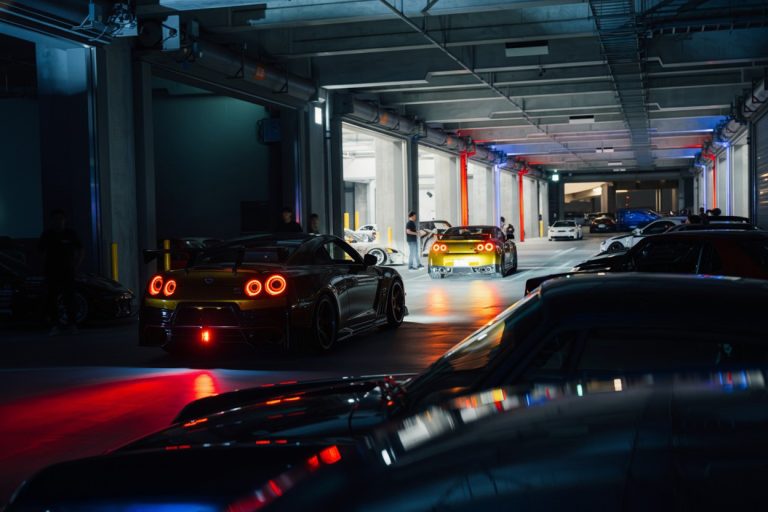
Alright, so you’re in Tokyo with a need for speed, a desire to see some sideways action. You’ve seen the anime, you’ve played the games, and now you want to witness the real-life poetry of a car perfectly balanced on the edge of chaos: drifting. You came to the right place. This is where it all began, and Tokyo is the sprawling, electric heart of it all. But where, exactly, do you point yourself to see it?
It’s not quite as simple as pulling up a chair on a street corner from The Fast and the Furious: Tokyo Drift. The reality of Tokyo’s car scene is a wild mix of high-gloss professional events, surprisingly accessible track days, and a much, much more elusive underground world. Here’s the breakdown.
See the Pros Burn Rubber: Legal Drifting Events
If you want to see drifting at its absolute pinnacle, with god-tier drivers in ridiculously powerful machines, your best bet is a sanctioned event. No question.
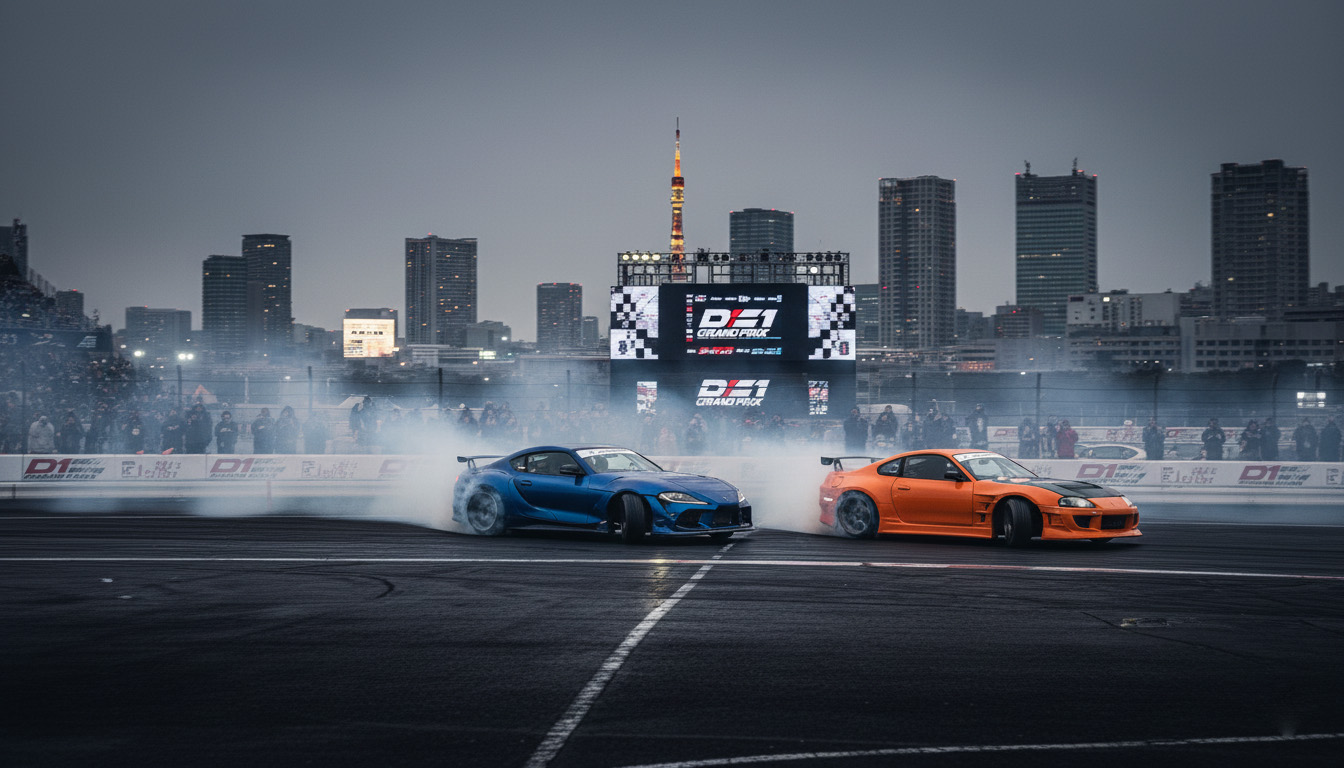
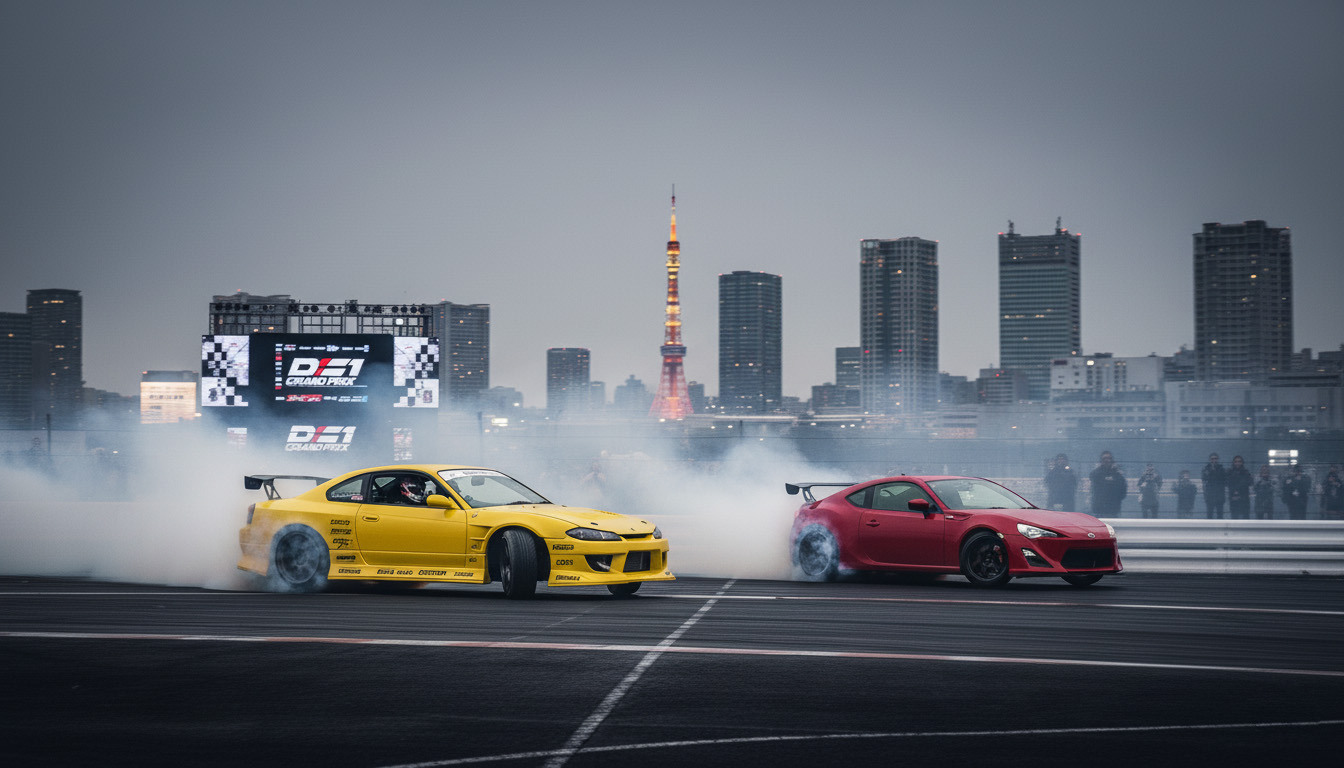
The main event you want to look for is the D1 Grand Prix. This is the big league, where Japan’s best drifters come to battle. A classic, recurring venue for these events is in Odaiba, a futuristic man-made island right in Tokyo Bay. Honestly, seeing a full-blown drift competition with the Tokyo skyline in the background is just something else. You’ll want to check the D1 Grand Prix schedule to see if a race lines up with your trip.
If you’re willing to venture a bit outside the city, your options explode. Several world-class circuits are basically holy sites for drifters. Ever heard of Ebisu Circuit? It’s in Fukushima, a couple of hours from Tokyo, and it’s widely known as “Drift Paradise.” This place is legendary. They host “Drift Matsuri” (Drift Festivals) a few times a year, where it’s just a multi-day, non-stop free-for-all of drifting across multiple tracks. It’s insane. Other spots like Fuji Speedway, Mobara Circuit, and Tsukuba Circuit also host drift days and competitions pretty regularly.
Get Behind the Wheel (or Just Scream from the Passenger Seat)
Watching is one thing, but feeling it is another. For a more direct hit, a bunch of companies offer drifting lessons and ride-alongs aimed at tourists. You can actually get out on a track like Ebisu and have a pro teach you the basics of kicking the back end out in a safe, controlled way. Or, if you’d rather leave the driving to someone who won’t put you in a wall, you can strap into the passenger seat for a “taxi” ride that will absolutely rearrange your organs. It’s an incredible thrill.
The Underground: drifting in tokyo mountains
Okay, now for the stuff of legend. The part that most people are really asking about when they talk about drifting in Tokyo.
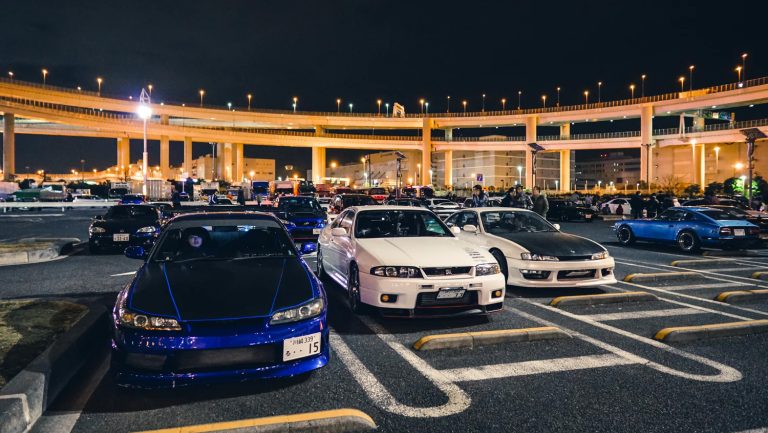
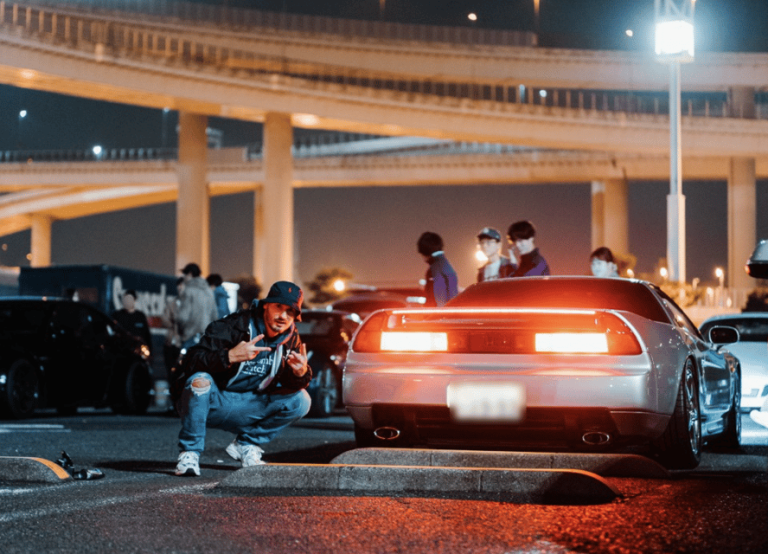
First, the accessible part of the underground: the car meets. The most famous of all is the Daikoku Parking Area (PA) on the Bayshore Route. On a Friday or Saturday night, this massive parking structure transforms into a living, breathing car show. You’ll see everything. JDM icons, crazy modified vans, supercars, VIP sedans… it’s a spectacle. While you probably won’t see any actual drifting in the parking lot (the police are always watching), this is the soul of the culture. You go here to see the cars and the people. Tatsumi Parking Area is another hot spot, smaller but with an unbeatable view of the city.
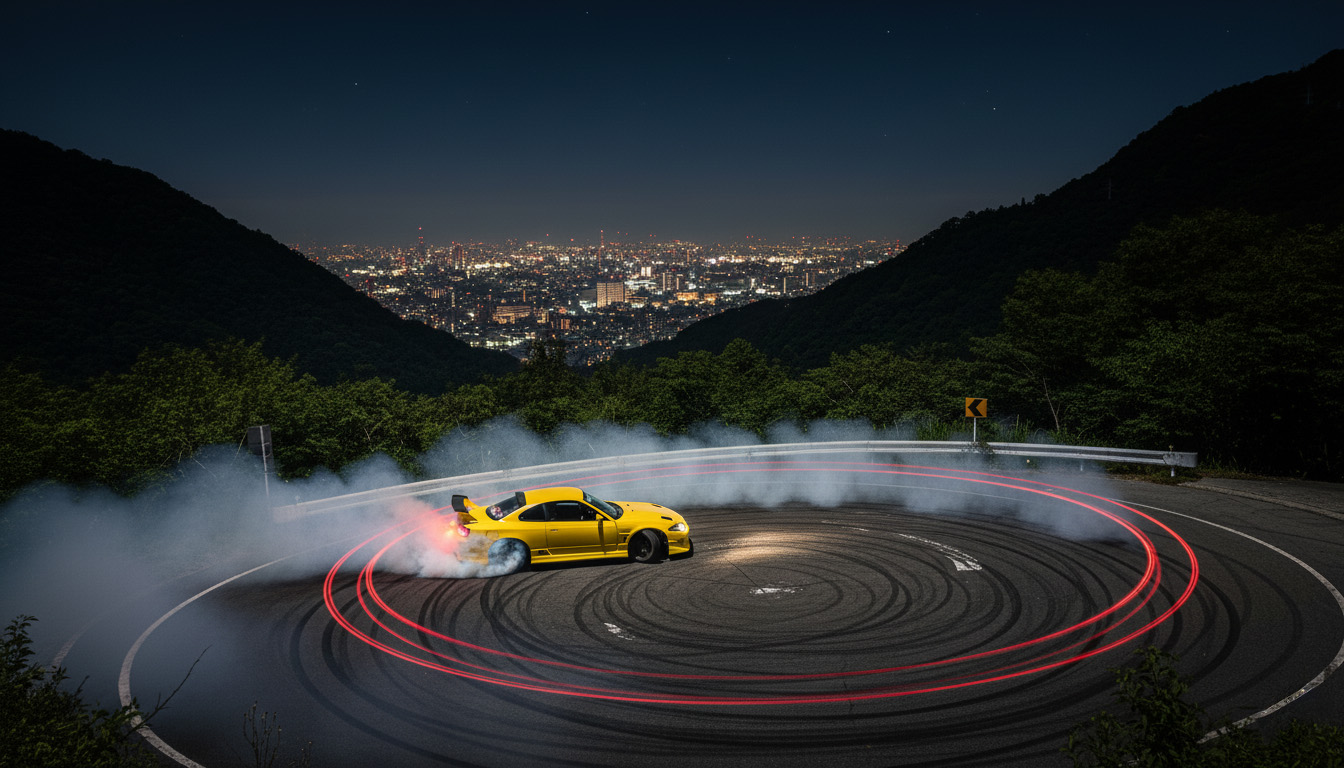
Now, for the mountains. The touge. This is the real-deal, illegal street drifting you’ve heard about. The mountain passes outside of Tokyo, in areas like Hakone, Okutama, and the legendary mountains of Gunma Prefecture, are where street drifting was born. This is where drivers test their skill and nerve on tight, winding public roads in the dead of night.
But let’s be brutally honest. As a tourist, your chances of just stumbling upon a touge session are pretty much zero. This scene is incredibly secretive, and for good reason—it’s super illegal and dangerous. The community is tight-knit, and they don’t exactly post invites on Facebook. You can’t just drive up a mountain road hoping to see something. You’re more likely to get lost or have a run-in with the police. Think of touge drifting not as a tourist attraction, but as a piece of living folklore. It’s happening out there, but it’s not for you to find. It’s a world you need an invitation to, and that’s not something you can get on a two-week vacation.
So while the fantasy of leaning against a guardrail on a dark mountain pass while an AE86 slides past is powerful, the reality is you should stick to the legal, public venues. The spirit of drifting is everywhere in and around Tokyo. Whether you’re watching the pros tear it up in Odaiba, feeling the G-force on a track yourself, or just soaking in the incredible atmosphere at Daikoku PA, you’ll get your fix. I promise.