
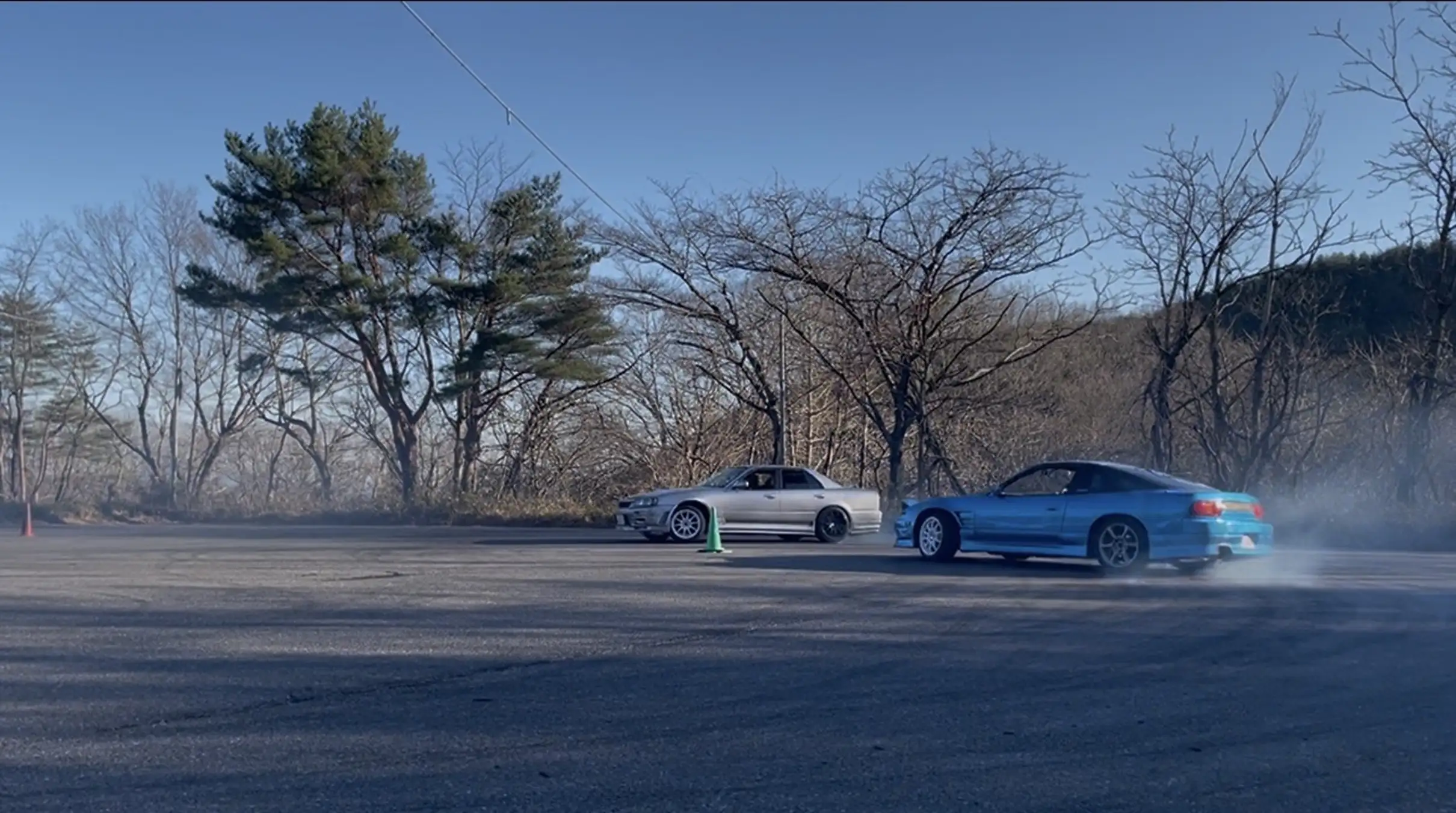
The smell hits your nostrils before you even see a car. It’s this weird, heavy mix of burnt rubber and raw gas hanging in the humid Fukushima air—that’s how you know you’re finally there. Ebisu Circuit isn’t some polished racetrack for corporate types. It’s a mountain that somebody decided to carve into a playground for people who think driving straight is a waste of time. Tucked away in the Tohoku region, this place has turned into something way bigger than a sports venue. It is a spiritual home. A mecca. Honestly, it’s where the global car community goes to find its soul.
A Brief History of Ebisu: How Nobushige Kumakubo Created a Global Icon
Nobushige Kumakubo is a legend for a reason, but not just because he can drive. He wanted a sanctuary. Back in the late 80s, Kumakubo—the boss behind Team Orange—used his family’s land to start building what would eventually become this massive maze of tracks. He was a drifter himself, so he just built what he wanted to drive. He had help from guys like Naoto Suenaga, other pioneers who just wanted to go fast and sideways.
The guy had serious vision. He looked at a mountain and thought, “Yeah, let’s put seven tracks on that.” It wasn’t about fancy suites or having perfect, smooth asphalt. It was about the vibe. Kumakubo and his crew pushed everything to the limit—they even took all-wheel-drive Subarus and Evos and ripped the front driveshafts out just to prove they could drift them. Over time, Ebisu became the heart of the D1 Grand Prix. It went from a local secret to a place people from England, the US, and Australia fly halfway across the planet to see. They want to know if the myths are actually real.
Exploring the Tracks: From the Legendary Minami Jump to the Technical Touge Course
If you know anything about drifting, you’ve seen Minami. The South Course is the face of Ebisu. That famous jump—where cars launch into the air and then try not to smash into a concrete wall—is the stuff of nightmares. Or dreams, depending on how much you like your car. But things changed. After the huge earthquake in 2021, Minami was mostly turned into a dirt-rally course because the ground keeps shifting. They pave it over for big festivals sometimes, but it’s a different beast now.
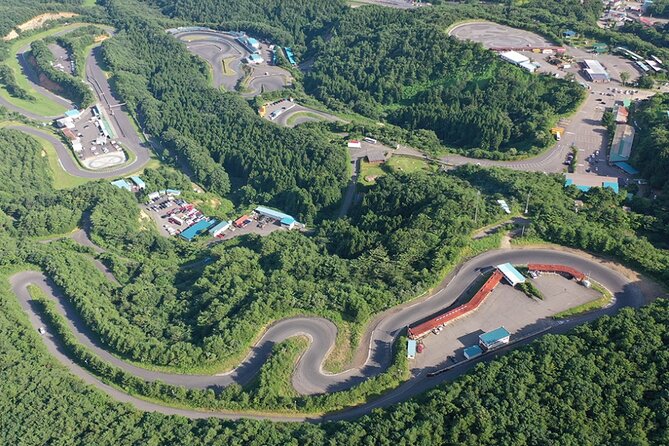
Beyond Minami, the mountain is just packed:
- North Course (Kita): This is at the very top. It’s 1,155 meters of sweeping turns and a back section that brings you inches from a wall. It’s the best spot for night drifting, period.
- East Course (Higashi): This is the main “grip” track. It’s got a long straight and 20 pit garages. At 2.06 km, it’s where you’ll see the big boys from Formula Drift Japan and D1GP doing their thing.
- West Course (Nishi): The longest one at 2.1 km. It’s technical. Twisty. Famous for long “trains” of cars and hairpins that will make your head spin.
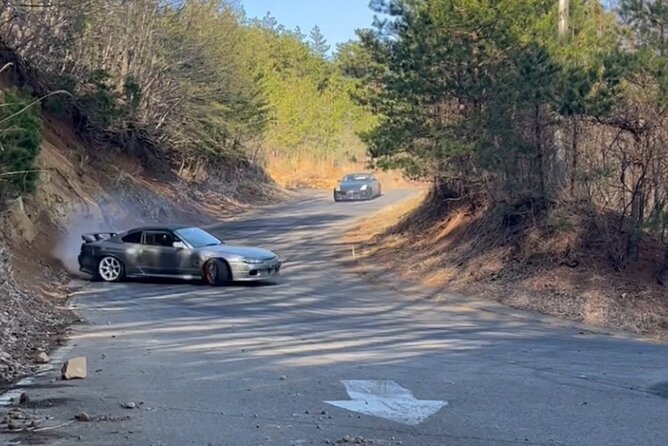
- Touge Course: A 1,500-meter pass that looks exactly like something out of Initial D. It’s narrow, steep, and has zero room for mistakes. You mess up here, you’re hitting a tree or a cliff.
- Drift Land & Kuru Kuru Land: These are the skid pads. Kuru Kuru is where everyone starts. You just do figure-eights for hours until your hands know what to do without your brain helping.
The “Missile” Car Culture: Why Destruction is Part of the Fun
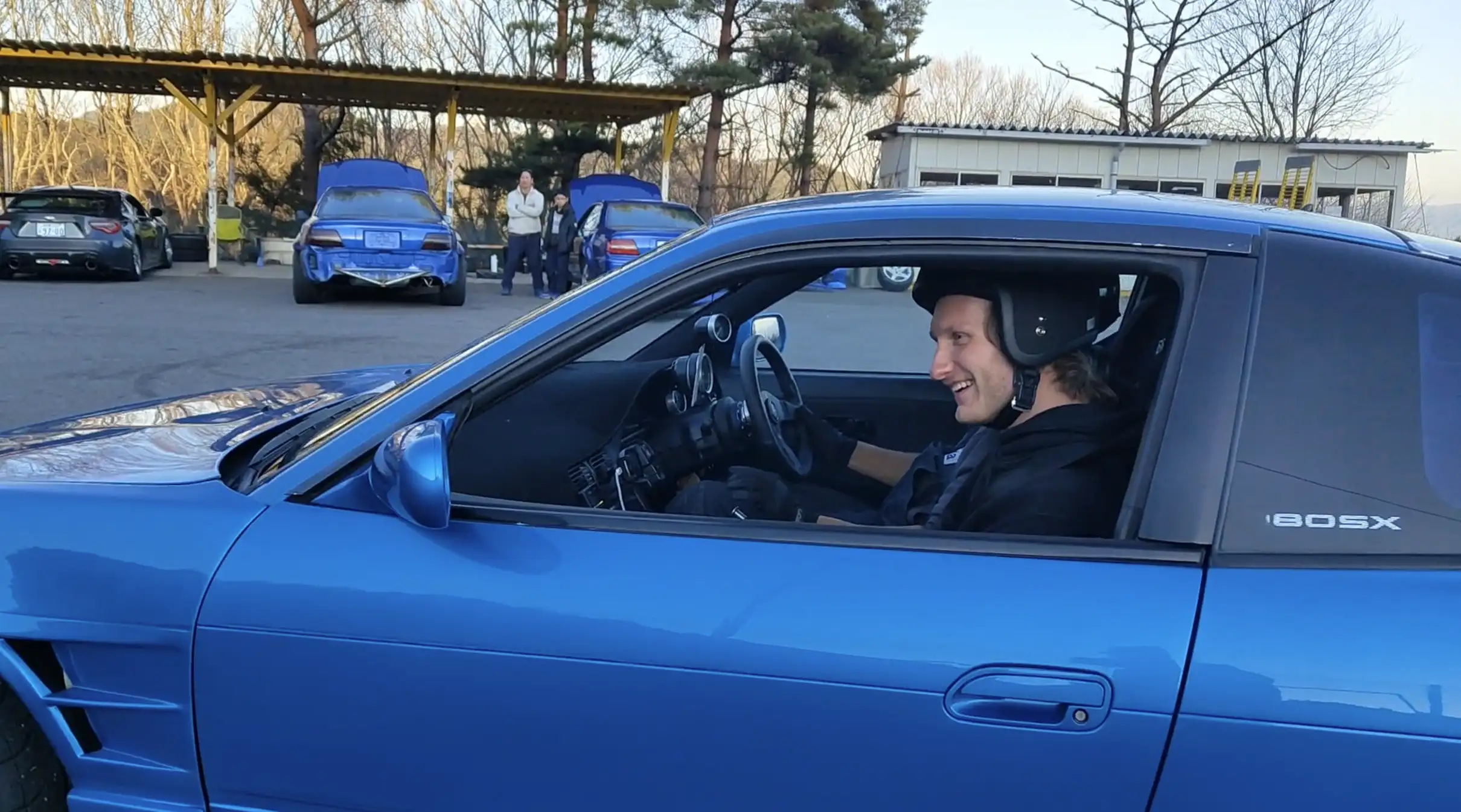
You can’t talk about this place without mentioning the “Missile.” In this world, a missile is usually a Nissan S-chassis or a Toyota Chaser that looks like it’s been through a war. These cars are held together by zip ties and sheer luck.
The idea is simple- drive with 100% commitment because you don’t care if you hit the wall. This “no-consequences” mindset is why the tandems at Ebisu are so insane. You’ll see doors rubbing and bumpers flying off on YouTube, and it’s because the drivers just don’t care about the paint. By the end of a weekend, the “tire graveyard” near the pits is just a massive pile of rubber sacrificed to the mountain.
The Drift Matsuri Experience: 36 Hours of High-Octane Chaos
Three times a year, Ebisu turns into a 36-hour fever dream. It’s called Drift Matsuri. There isn’t really a schedule. You just drive. You drift until the tires pop, swap them in the dirt while eating a convenience store rice ball, and go back out for more.

The atmosphere is pure madness. You’ll see world-class pros rubbing doors with some kid in a beat-up missile. Night drifting is the peak. Seeing glowing cars and sparks flying in the pitch black of a Japanese mountain… it’s a total sensory overload. Nobody sleeps. People just nap in their cars or tiny pit boxes. If you’re lucky, you’ll see a “drift train” with 15 cars linked up in one smoking line. It’s beautiful, really.
Getting Behind the Wheel: Rentals and the G1GP
You don’t actually have to ship your own car to Japan. Andy Gray and the crew at Powervehicles have been helping foreigners for a long time. They’re based right at the track. They can help you buy a car, store it, and have it ready for when you fly in.
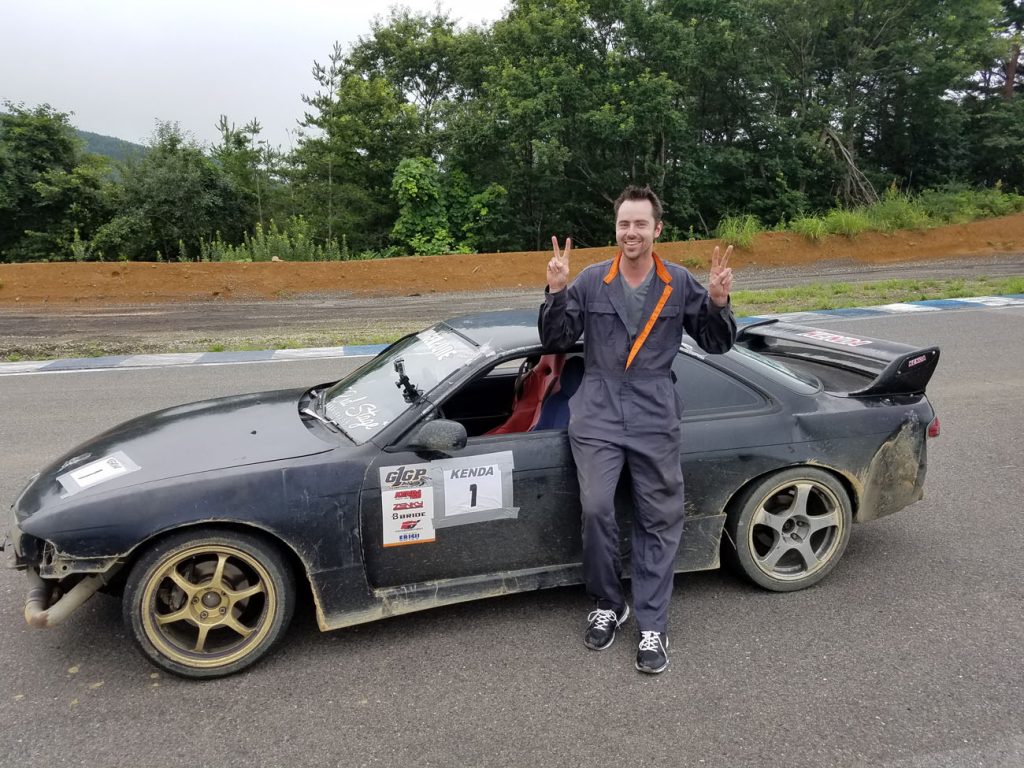
They also run the G1GP (Gaijin Grand Prix), which is a competition just for international visitors. It happens the Friday before Matsuri. But look, this isn’t a luxury trip. You’ll be changing your own tires and wrenching on your car in the dirt. You’re there to work. You’re there to learn how to manhandle a machine that’s definitely seen some better days.
Ebisu Circuit Drift Taxi: A Professional Thrill Ride
Maybe you don’t want to drive. Maybe you’re terrified of the mountain slopes, which is fair enough. That’s why the Drift Taxi exists.
For about 45,000 yen (you can split it with two friends), you hop into a Toyota Chaser with a pro driver. These aren’t tours. They’ll take you three-abreast into a corner at 100km/h while you’re screaming in the back seat. It’s violent and loud. Most people come out looking like they’ve seen a ghost . . . but they’re always smiling.
The Rebirth: Surviving the 2021 Earthquake
In February 2021, a massive 7.3 earthquake hit the region. The damage was heartbreaking—a landslide swallowed the West Course and the pavement just buckled everywhere. People thought the “Holy Grail” was dead.
But the “Ganbarou Tohoku” spirit is a real thing. Kumakubo and his team spent months moving dirt and fixing the hillsides. The rebirth of Ebisu shows a lot of grit. The tracks have changed—the West Course was redesigned and Minami is more of a rally spot now—but the vibe hasn’t moved an inch. Maybe the community is even tighter now because everyone realized how close they came to losing it.
Spectator Guide and Track Logistics
If you’re heading to the mountain, here is how to make the most of it:
Best Viewing Spots:
- The Rest House Overlook: Buy some katsu curry or ramen and watch the East Course through the big windows.
- North Course Spectator Wall: Stand right at the edge while cars fly past at redline. You’ll feel the wind.
- Minami Stadium: Even with the rally setup, the grassy banks give you the best view of the lower mountain.
Entry Fees (Approximate):
- Spectator Entry: ~1,700 yen.
- 5-Course Driving Pass: ~10,000 yen per day.
- Gold Card (Annual Pass): 120,000 yen if you’re planning on staying a while.
Beyond the Track: Safari Parks and Lantern Festivals
The weirdest part about Ebisu? It’s also a zoo. The Tohoku Safari Park is on the same property. You can literally hear lions roaring while you’re waiting to start your run on the North Course. You can drive a bus through the lion enclosure or feed a llama between drift sessions. It’s a bizarre mix of wild animals and turbo engines.
If you’re there in October, go see the Nihonmatsu Lantern Festival. It’s one of Japan’s big three lantern festivals. You’ve got these massive floats with 300 lanterns each. It’s a 370-year-old tradition that feels worlds away from the tire smoke. Also, eat the peaches. Fukushima peaches are incredible, and the local ramen is some of the best I’ve ever had.
Why Ebisu Remains the Ultimate Pilgrimage
Look, there are better tracks out there. There are cleaner places with paved parking and AC. But there is only one Ebisu. It’s the history and the community and the fact that it was built by drifters, for drifters.
When you’re standing at the top of the North Course and you see the clouds rolling over the hills, and you hear a 1JZ-GTE screaming through the trees… you just get it. It’s a pilgrimage. It reminds you why we like cars—not for the trophies, but for the freedom of being completely sideways.
Just go. Save your money, book the flight, and get to the mountain. You won’t regret it. I think your life isn’t really complete until you’ve felt the mountain air shake from a four-car tandem.
